Why Is Pine Moulding So Popular for Interior Trim?

Time:2026-10-02 Author:Amelia
0%

Why is pine moulding so popular for interior trim? The answer begins with a practical balance of price, appearance, and workability. Pine is widely available, easy to cut, and simple to fasten around doors, windows, and ceilings. Its pale surface accepts paint evenly, while visible knots can add warmth beneath a clear finish. A ten-foot pine board can also be carried and installed without the weight of many hardwood alternatives.

Paul Fisette, a wood-products specialist and professor emeritus at the University of Massachusetts Amherst, has noted, “Wood is a natural material, and as such, it is not perfect.” That observation matters. Pine may contain knots, resin pockets, uneven grain, and small movements caused by seasonal humidity. These details can become attractive character, but they can also expose poor material selection or weak installation practices.

Experienced trim carpenters often choose kiln-dried, straight boards for cleaner joints. They leave suitable expansion space and seal exposed end grain near damp areas. Those small decisions improve long-term performance. Pine also supports efficient renovation work because damaged sections can be replaced without excessive cost. That is a real advantage.

Still, popularity should not become automatic approval. Low-grade pine may dent easily or telegraph knots through light-colored paint. Moisture can create trouble. The best choice depends on the room, finish, budget, and expected wear. With careful grading and preparation, pine moulding offers a credible combination of craftsmanship, flexibility, and value for interior trim.
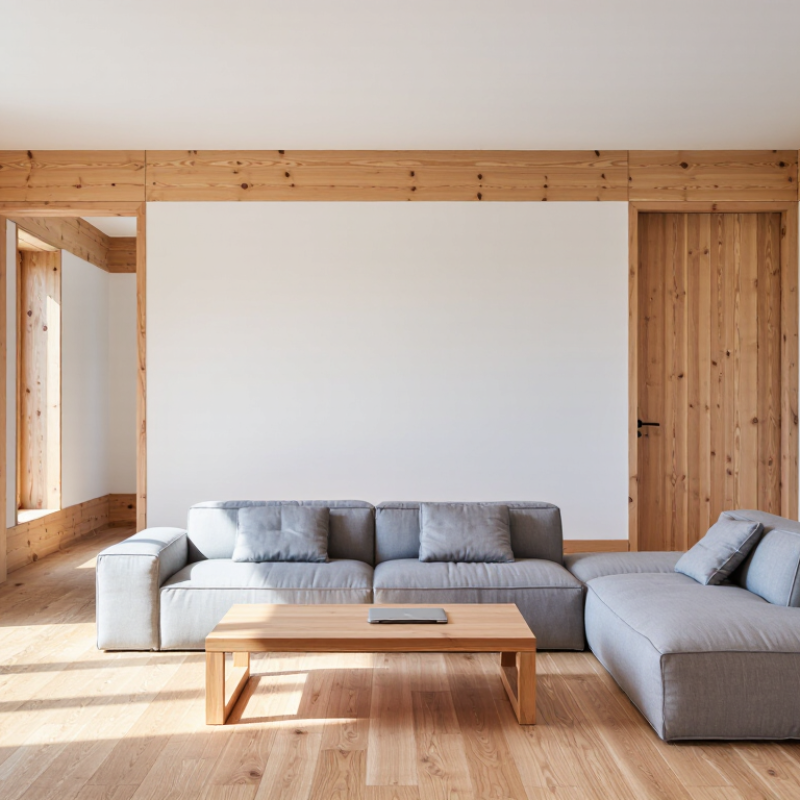
Why Is Pine Moulding So Popular for Interior Trim?

What Pine Moulding Is and Where It Is Used

Pine moulding is a shaped strip of pine used to frame, protect, or decorate interior surfaces. It is usually milled from solid pine or finger-jointed boards. Common profiles include flat stock, ogee, cove, and simple square edges. Pine has a visible grain and accepts paint, stain, or clear finishes. It is also lighter and easier to cut than many hardwoods.

It appears around doors and windows as casing. Along floors, pine baseboards cover the joint between walls and flooring. Chair rails can protect plaster from furniture and add a horizontal design line.

In older homes, wider pine boards often create a traditional appearance. Crown moulding can soften the meeting point between walls and ceilings. A narrow strip may also hide gaps around cabinets or built-in shelves.

Small details matter. I check each board for knots, resin pockets, and slight bends before installation. A damp bathroom may cause untreated pine to swell or move, so sealing every face is sensible. Pine dents easily during handling. That is not always a defect. It can add character, although careless sanding may leave uneven patches. Pre-drilling near thin edges helps prevent splitting, and a sharp blade produces cleaner corners. I once rushed a mitre joint and noticed the gap only after painting. That mistake still reminds me to dry-fit every piece.

Key Properties That Make Pine Suitable for Interior Trim

Pine moulding remains popular because its physical properties suit interior installation. The USDA Forest Products Laboratory’s Wood Handbook (2021) lists common pine densities near 350–550 kg/m³. That range keeps boards relatively light and manageable. Installers can carry long lengths, cut mitres, and adjust corners without excessive effort. Pine also machines easily with standard saws and routers. Its moderate hardness usually accepts nails well, though careless handling can leave visible dents.

Moisture behavior deserves more attention. Wood is hygroscopic, according to the same handbook. It gains and loses moisture as indoor humidity changes. That movement can open joints or create small gaps. Let moulding acclimate indoors, then check it with a moisture meter. A practical target is often around 8–12% moisture content, depending on the building climate and specification.

Pine accepts paint, primer, and many stains because its surface is porous and workable. Knots and resin pockets add character, but they can bleed through light finishes. Seal them properly. The 2024 National Design Specification for Wood Construction also separates pine species and grades, showing that “pine” is not one uniform material. That distinction is easy to overlook. Lower-grade boards may need more filling, sanding, and inspection before installation.

How Pine Moulding Compares with Other Trim Materials

Why Is Pine Moulding So Popular for Interior Trim?

Pine moulding remains popular because it balances cost, workability, and a warm natural appearance. In residential trim work, I have found it easy to cut, sand, and fasten. A sharp saw usually leaves clean edges. Its lighter weight also helps when fitting long boards around doorways or ceilings. Pine accepts paint, stain, and clear finishes, although knots may need sealing before painting.

MDF creates a very smooth painted finish with almost no visible grain. It is often more uniform than pine and can reduce surface preparation. However, MDF is heavier and may swell if water reaches its edges. Solid poplar is harder and more stable than many pine boards. It paints beautifully, but usually costs more. Oak offers stronger grain and better resistance to dents, though its appearance can dominate a quiet room. PVC trim handles damp areas well. It does not provide the same natural feel under the hand.

The choice is not always obvious. I once used pine beneath a pale window finish, and resin stains appeared after several months. That error taught me to inspect knots carefully and seal them twice. In a dry bedroom, pine may offer the right balance. In a laundry room, moisture resistance deserves greater attention. Board quality matters too. A twisted, poorly stored piece can defeat the advantages of any material. Even the best moulding needs accurate measuring, careful sanding, and flexible expectations during installation.

Common Styles, Profiles, and Finishing Options

Pine moulding remains popular because it is workable, affordable, and easy to finish. Its soft grain accepts saw cuts without demanding specialist equipment. In lived-in rooms, simple pine trim can soften sharp transitions around doors, windows, and floors. The material also offers useful visual warmth, especially when its knots remain visible.

Common profiles include flat stock, rounded edge, colonial curves, and stepped designs. Square-edged moulding suits modern interiors with clean wall lines. Rounded profiles feel gentler in bedrooms and traditional spaces. Taller skirting boards can frame a room strongly, while narrow casing keeps small openings from looking crowded. Profile choice should follow the room’s scale, not only a catalogue photograph.

Finishing changes pine’s character more than many people expect. Clear varnish highlights grain and knots, but uneven absorption can create darker patches. A conditioner may help, although it does not guarantee uniform colour. Paint gives the most consistent appearance, especially after a suitable primer seals resinous knots. Fill nail holes, sand progressively, and caulk small wall gaps before painting. Do not rush this stage. I have found that a slightly imperfect sanding pass can remain visible under satin paint. Pine should also acclimate indoors before installation, because changing moisture levels may open joints or cause slight movement. That detail is easy to overlook. Scratches are repairable, yet soft pine can dent during fitting, so careful handling matters.

Why Is Pine Moulding So Popular for Interior Trim?

Common pine moulding profiles and representative stock face widths

Pine is widely used for interior trim because it is lightweight, easy to machine, readily available, and suitable for both paint and clear finishes. The chart compares common trim profiles using representative stock face widths in millimetres. Actual dimensions vary by region, profile design, and supplier. Smooth pine is often painted, while knotty or clear-grade pine is commonly sealed, stained, or varnished to emphasize the natural grain.

Installation, Maintenance, and Practical Considerations

Pine moulding remains popular because it is workable, widely available, and usually affordable. Its soft grain accepts paint, stain, and light sanding with little resistance. In practical installations, the boards should rest indoors for at least 48 hours. This helps them adjust to room temperature and humidity. Measure twice. Pine can still move after cutting, especially near kitchens, bathrooms, or exterior walls.

A clean installation begins with a sharp saw and accurate corner measurements. Dry-fit each joint before applying adhesive or driving finishing nails. Secure longer pieces into wall studs where possible. Small gaps can be filled with paintable caulk, but large gaps often indicate a poor cut or uneven wall. I have found that rushing the first corner usually creates more work later. It is also wise to leave slight expansion space at floor transitions. Wood needs room to respond.

Maintenance is simple, but it is not effortless. Dust the moulding with a soft, dry cloth, then use a lightly damp cloth for stubborn marks. Avoid soaking the surface, since excess moisture may raise the grain or encourage swelling. Check painted joints once or twice a year. Cracked caulk, loose nails, and dark spots should be repaired early. Lightly sand damaged areas before applying matching primer and paint. Keep it dry. Even well-finished pine may dent under furniture or repeated impact, so high-traffic corners deserve extra attention. Surface preparation is easy to underestimate, and that remains one of the most common causes of uneven results.

FAQS

Why is pine moulding suitable for many interior rooms?

It is workable, affordable, and easy to cut. Its warm grain can soften transitions around doors, windows, and floors. Knots add visible character.

Which pine moulding profile should I choose?

Match the profile to the room’s scale. Square edges suit clean, modern walls. Rounded edges feel gentler. Taller skirting can frame larger rooms strongly.

Should I paint or clear-finish pine moulding?

Paint creates the most consistent appearance. Clear varnish reveals grain and knots, but uneven absorption may cause darker patches. Colour can vary.

How can I reduce uneven colour before finishing?

Sand progressively and consider using a wood conditioner. It may help, but it cannot guarantee uniform colour. Test the finish on a hidden offcut first.

How long should pine moulding acclimate indoors?

Let the boards rest indoors for at least 48 hours. Place them near the installation area, away from standing water. Moisture changes can open joints later.

What preparation is needed before painting pine moulding?

Fill nail holes, sand the surface, and caulk small wall gaps. Use a suitable primer over resinous knots. Do not rush this stage.

How can I install pine moulding with fewer visible gaps?

Measure corners carefully and dry-fit every joint. Use a sharp saw. Secure long pieces into wall studs when possible. Large gaps usually signal inaccurate cutting.

How should pine moulding be maintained?

Dust it with a soft, dry cloth. Use a lightly damp cloth for stubborn marks, but avoid soaking the wood. Check joints once or twice yearly.

What problems should I watch for after installation?

Look for cracked caulk, loose nails, dark spots, and small dents. Repair damage early. Soft pine marks easily. High-traffic corners need extra attention.

Why might painted pine moulding look uneven?

Uneven sanding, resinous knots, or inconsistent absorption may show through the paint. I have underestimated preparation before. A slightly rough sanding pass can remain visible under satin paint.

Conclusion

Pine moulding is a widely used material for interior trim because it combines natural beauty, practical performance, and affordability. It is commonly installed around doors, windows, ceilings, walls, and floors to create a clean transition and add architectural detail. Lightweight and relatively easy to cut, shape, and install, pine can suit both simple and decorative designs. Its visible grain and warm color also provide a welcoming appearance, while its workable surface accepts paint, stain, or clear finishes.

Why is pine moulding so popular for interior trim? Compared with materials such as hardwood, composite, or plastic, pine often offers a balanced combination of cost, availability, flexibility, and visual appeal. It can be produced in many profiles, including baseboards, casings, crown moulding, and chair rails. However, it should be properly measured, fastened, sealed, and maintained to reduce the effects of moisture, dents, and natural movement. With suitable finishing and regular care, pine moulding can deliver durable and attractive results in a wide range of interior spaces.

Amelia

Amelia

Amelia is a seasoned marketing professional with a wealth of expertise in our company’s core offerings. With an unwavering passion for driving growth and innovation, she plays a pivotal role in shaping our marketing strategies and enhancing brand visibility. A key aspect of her responsibilities......